
Academy Bank 
1201 Walnut St Kansas City MO 64106
What can we help you find?
Contact Us
Bank Routing Number
107001481
Bank by Mail/General Mail
PO Box 26458
Kansas City, MO 64196
Deposit Only Mailbox
PO Box 26744
Kansas City, MO 64196
Phone Number
1-877-712-2265
Download our app
Access your
accounts here.
accounts here.

Grab your phone and scan the code to download!
not featured
2026-09-09
Commercial Banking
published
6-minute
Manufacturing Business Financing: Managing Working Capital Volatility

-
-
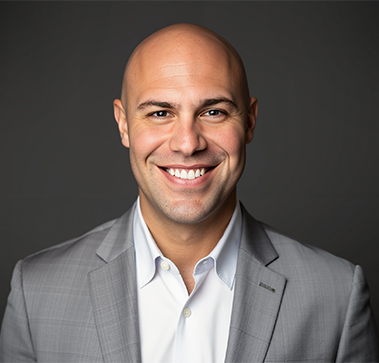
By Matt Fuhrman, Associate Director, Middle Market Banking, Academy Bank
Healthy sales do not always translate into healthy cash flow. The right manufacturing business financing strategy—supported by a commercial business loan, responsive advice and digital tools—can help manufacturers manage inventory and receivables, fund equipment purchases and build greater financial resilience.
Quick answer: Commercial business loans can help manufacturers bridge timing gaps between paying suppliers and collecting customer invoices, finance inventory or equipment, and preserve liquidity for growth. Common manufacturing financing options include a business line of credit, working capital loan, equipment financing, term loan and asset-based lending. Academy Bank pairs business commercial loans with treasury management solutions and online banking for commercial business clients to help companies move, protect and monitor cash with confidence.
Why Manufacturing Growth Can Create Working Capital and Cash-Flow Challenges
Manufacturers often pay for raw materials, labor, freight and utilities well before they collect from customers. That timing gap can widen when orders increase, payment cycles stretch or the business builds inventory to protect production. The result is a counterintuitive challenge: a company can be profitable on paper and still experience a cash-flow shortage. A working capital loan or commercial line of credit can provide flexibility while the company converts accounts receivable and inventory into cash.
The scale of capital tied up across the economy is significant. The U.S. Census Bureau reported that manufacturers and trade inventories reached approximately $2.74 trillion in June 2026, 3.0% above the prior year. Inventory can strengthen resilience, but every additional dollar on the shelf or production floor is a dollar that is not immediately available for payroll, equipment, expansion or unexpected costs.
Four Pressure Points Worth Watching
1. Receivables are growing faster than cash
When customers pay in 45 or 60 days, the manufacturer effectively finances production during the waiting period. Rising sales can therefore increase the need for liquidity. A commercial banker can help management track days sales outstanding, identify slow-paying accounts and model how changes in terms affect the cash conversion cycle.
When customers pay in 45 or 60 days, the manufacturer effectively finances production during the waiting period. Rising sales can therefore increase the need for liquidity. A commercial banker can help management track days sales outstanding, identify slow-paying accounts and model how changes in terms affect the cash conversion cycle.
2. Inventory is protecting operations—and absorbing cash
Stockpiling raw materials or finished goods may reduce supply-chain risk and improve service levels, yet it also raises carrying, insurance, storage and obsolescence costs. The right question is not simply whether inventory is high, but whether each build is intentional, supported by demand and matched to an appropriate source of funding.
3. Customer concentration can amplify volatility
A large customer can be a powerful growth engine, but one delayed payment, sourcing change or canceled contract can quickly affect liquidity. A thoughtful banker will examine revenue concentration alongside receivable quality, contract terms and the customer’s own financial health, not just the manufacturer’s total sales.
4. Margin pressure can hide beneath revenue growth
Labor, energy, freight, tariffs and raw material costs can rise before pricing catches up. Deloitte’s 2026 manufacturing outlook points to higher costs, trade-policy uncertainty and investment pressure as major industry headwinds. Regular margin analysis by product, customer and contract can reveal where growth is creating value—and where it is consuming cash.
Labor, energy, freight, tariffs and raw material costs can rise before pricing catches up. Deloitte’s 2026 manufacturing outlook points to higher costs, trade-policy uncertainty and investment pressure as major industry headwinds. Regular margin analysis by product, customer and contract can reveal where growth is creating value—and where it is consuming cash.
How Commercial Lending and Manufacturing Financing Solutions Support Growth
Structure a Business Line of Credit Around the Cash Conversion Cycle
A revolving business line of credit may be appropriate for temporary cash-flow gaps caused by accounts receivable and seasonal inventory. The amount, advance structure and renewal process should reflect the company’s actual cash conversion cycle—not a generic formula. Whether a company needs a commercial business loan for working capital, inventory financing or broader business commercial loans, an Academy Bank commercial lender can help management stress-test the credit facility under slower collections, higher input costs or a sudden inventory build.
Use Asset-Based Lending and Equipment Financing to Support Growth
When accounts receivable and inventory expand with the business, an asset-based lending structure may provide borrowing capacity that scales with eligible collateral. For machinery, automation or other capital expenditures, equipment financing, a business term loan or equipment lease can preserve working capital by matching repayment to the asset’s useful life. Equipment Leasing and Finance Association research indicates that 82% of businesses acquiring equipment or software used at least one form of financing, with cash-flow optimization the leading reason.
Improve Cash-Flow Management with Treasury Services and Commercial Online Banking
Treasury management services can be as important as business financing. ACH collections, integrated receivables, remote deposit capture and payment automation may shorten processing time and improve cash-flow visibility. Positive pay, account controls and dual approvals can also strengthen business fraud prevention. Academy Bank’s online banking for commercial business clients can support secure access, customized user permissions, alerts, ACH and wire transfers, and multi-account reporting. The goal is a connected commercial banking system that helps finance leaders know what cash is available, what is committed and what is at risk.
Create an early-warning dashboard
Strong bankers do more than respond to borrowing requests. They help establish a regular review of operating and financial indicators so management can act before a shortfall becomes urgent.
Strong bankers do more than respond to borrowing requests. They help establish a regular review of operating and financial indicators so management can act before a shortfall becomes urgent.
- Days sales outstanding and aging by major customer
- Inventory turnover by category and location
- Gross margin by product, customer and contract
- Customer concentration and order-backlog quality
- Availability under the line of credit
- Liquidity under base, downside and growth scenarios
- Upcoming equipment, technology and facility investments
Questions to Ask When Comparing Commercial Business Loans and Financing Options
1. Does our borrowing structure expand appropriately as receivables and inventory grow?
2. Which assets should be funded with working capital, and which should be matched to longer-term financing?
3. How would a 15-day increase in collections or a 10% rise in material costs affect liquidity?
4. Are treasury processes helping us accelerate collections and reduce fraud exposure?
5. What information should we review together each quarter?
6. How much unused liquidity should we maintain for disruption or opportunity?
2. Which assets should be funded with working capital, and which should be matched to longer-term financing?
3. How would a 15-day increase in collections or a 10% rise in material costs affect liquidity?
4. Are treasury processes helping us accelerate collections and reduce fraud exposure?
5. What information should we review together each quarter?
6. How much unused liquidity should we maintain for disruption or opportunity?
Commercial Financing Is Most Valuable Before It Is Urgent
Working capital volatility is not merely a financing issue; it is an operating reality that touches purchasing, production, pricing, sales and strategy. Manufacturers that plan ahead can use commercial business loans, commercial lines of credit, equipment financing, treasury management services and financial insight as coordinated tools rather than isolated products. For a growing manufacturer, a small business commercial loan or other commercial small business loans may help fund inventory, machinery, facility expansion or business growth while preserving cash for everyday operations.
“For manufacturers, certainty matters. As a family-owned bank, Academy Bank keeps decision-makers close to the business, which helps our commercial banking team understand each client’s needs, respond quickly and provide the transaction certainty companies need to move forward and close with confidence.”
— Paul Holewinski, President and CEO, Academy Bank
— Paul Holewinski, President and CEO, Academy Bank
At Academy Bank, business banking is built around the client. Our commercial bankers focus on understanding the full operating cycle, providing direct access to decision-makers and structuring customized commercial financing with clarity and responsiveness. By aligning a business loan commercial strategy with the way cash moves through the company—and pairing financing with secure digital banking, business checking and treasury management support—manufacturers can strengthen liquidity today while preserving the capacity to invest, adapt and grow tomorrow.
Frequently Asked Questions About Commercial Business Loans
What can a commercial business loan be used for?
A commercial business loan may be used for working capital, inventory financing, equipment purchases, owner-occupied commercial real estate, expansion, business acquisition financing or other qualified business purposes. The right commercial loan structure depends on the use of funds, repayment source, collateral and operating cycle.
How is a commercial business loan different from a small business commercial loan?
Both can support business growth, but commercial financing is often customized for larger or more complex needs. A small business commercial loan may offer a more standardized path for qualified working capital, equipment or expansion needs. An Academy Bank business banker can help determine which option fits the company’s size, goals and cash flow.
Why pair business commercial loans with treasury and digital banking?
Financing can provide liquidity, while treasury services and online banking for commercial business clients can improve visibility, accelerate collections, strengthen payment controls and support informed cash-flow decisions.
What financing options are available for manufacturing companies?
Manufacturing companies may consider a working capital line of credit, equipment loan, business term loan, asset-based loan, commercial real estate loan or treasury management solution. The best manufacturing financing option depends on the purpose, timing, collateral, cash flow and long-term growth plan.
All loans and lines of credit are subject to credit approval. Product availability, eligibility requirements, terms, conditions, restrictions and fees may apply. Consult your tax and legal advisers regarding your individual circumstances.