
Academy Bank 
1201 Walnut St Kansas City MO 64106
What can we help you find?
Contact Us
Bank Routing Number
107001481
Bank by Mail/General Mail
PO Box 26458
Kansas City, MO 64196
Deposit Only Mailbox
PO Box 26744
Kansas City, MO 64196
Phone Number
1-877-712-2265
Download our app
Access your
accounts here.
accounts here.

Grab your phone and scan the code to download!
featured
2026-11-10
Business
published
9-minute
What Matters Most to Businesses: Managing Cash Flow, Payments, and Risk

-
-
For businesses of all sizes, cash flow is more than just a financial metric. It is the pulse of the whole operation. When payments come in slowly, manual processes pile up, and potential fraud goes undetected, it threatens the stability of the business.
Yet for many business owners and operators, the tools available to them haven’t kept pace with the demands of running a modern business. They are still chasing invoices, reconciling accounts by hand, and relying on payment methods that slow everything down.
This whitepaper explores the cash flow challenges, payment habits, and banking priorities of business owners and operators across the United States. It also examines how better financial tools could improve efficiency, visibility, and control.
Methodology
The survey was conducted online in April 2026 with 203 respondents. Participants represented a range of business sizes and revenue levels, with roles including owners, presidents, and operations managers.
Profiles of Business Respondents
The respondents in this survey represent a broad cross-section of American businesses. Nearly 60% are owners or co-owners, and a majority of the remaining respondents are split among presidents/CEOs (13%) and office/operations managers (21%). About 6% are in other roles.
Business size also varied widely. About 28% of respondents have 1–10 employees, putting them firmly in the “small business” category. But the survey also captured mid-size operators with 51–100 employees (25%) and large companies with more than 250 employees (17%).
Annual business revenue ranged from less than $5 million to more than $50 million. The largest share of our survey respondents reported annual revenue under $5 million (40%); the second largest group reported revenue between $10 and $25 million (27%).
Approximate Annual Revenue
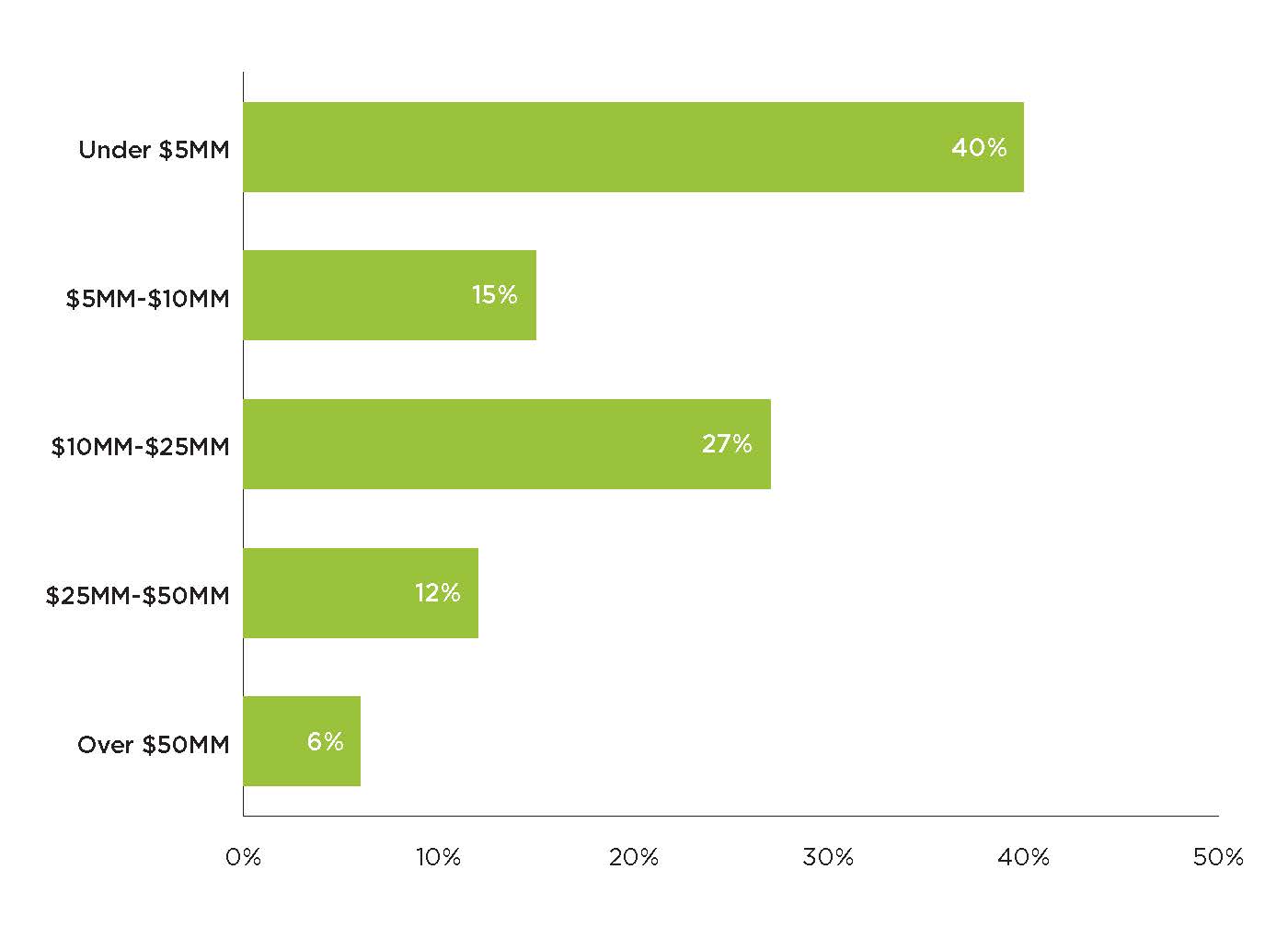
Due to rounding, the sum of individual percentages in this whitepaper may not equal 100%.
Where Payment Processes Break Down
For many businesses, the most time-consuming financial work begins with the most basic need: getting paid.
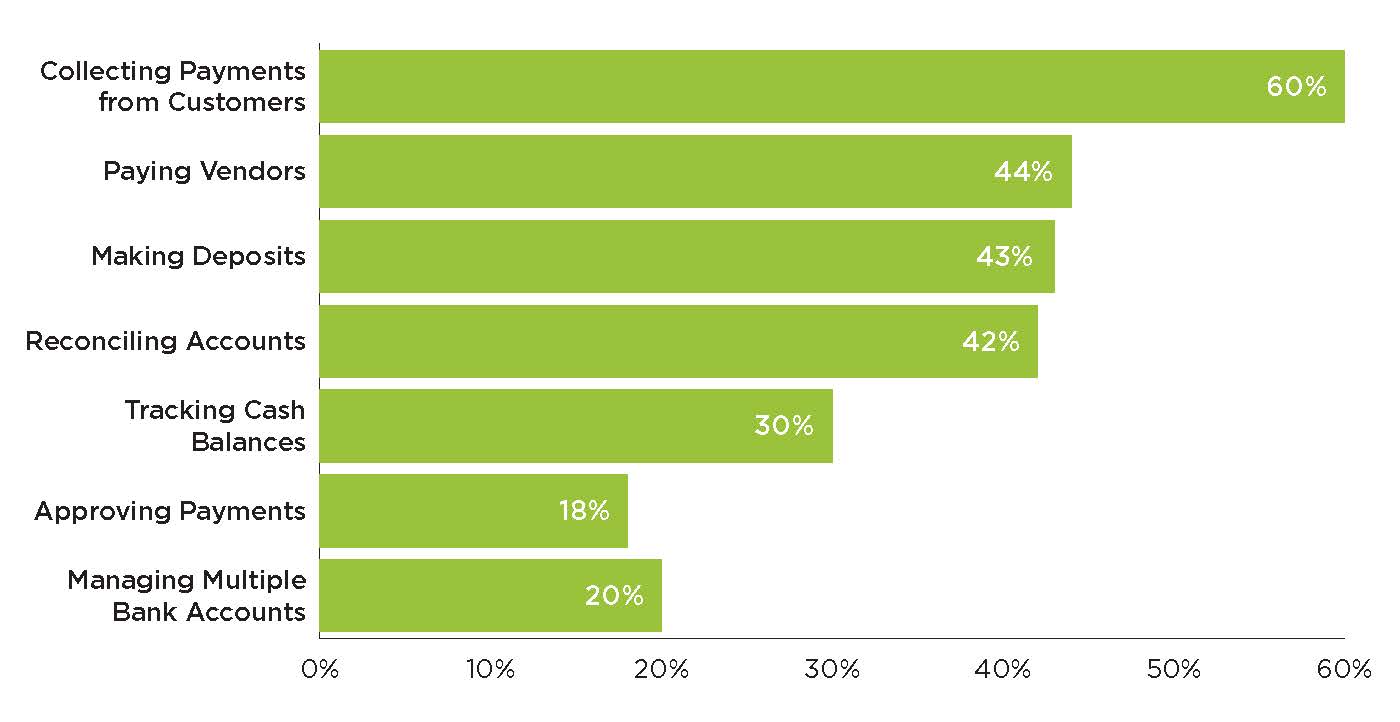
In fact, more than 60% of respondents said collecting payments from customers is the financial task that takes the most time/effort. Paying vendors followed at 44%, while making deposits and reconciling accounts were each cited by more than 42% of respondents.
Q: Which financial tasks take the most time or effort today? (Select up to 3)
The mix of payment methods helps explain the inefficiency. Checks remain the most common way businesses receive payments (55%), with credit/debit cards and ACH close behind. That continued reliance on checks means many businesses are still managing slower, more manual payment processes alongside digital ones.
The same complexity shows up on the payables side. Businesses most commonly pay vendors through online bill pay, ACH, and checks. While digital options are gaining ground, nearly half of respondents still use checks to pay vendors.
Managing payments across multiple systems only adds friction to the process. Invoices may be created in one system, payments accepted in another, and deposits tracked somewhere else. Then everything is reconciled later using accounting software or spreadsheets. For business owners and operators, that fragmentation means the payment process often requires more time, more follow-up, and more manual review than it should.
Fragmented Tools and Financial Challenges
The issue businesses are facing is not just the payment process itself, but how financial activity is managed across systems.
Our survey respondents reported using online banking (75%), mobile banking (59%), and accounting software (51%) to manage their finances. But nearly one-third also rely on spreadsheets, and 13% still use manual or paper-based processes.
With multiple financial tools at play, it becomes harder to track cash in real time— which could help explain why about 35% of respondents said they are “not very confident” or only “somewhat confident” in their day-to-day cash flow visibility.
Survey respondents were also asked about the top challenges their businesses face in managing payments and cash flow. Payments coming in too slowly ranked as the top issue (58%), followed by fraud concerns (49%) and too many manual processes (47%).
Q: Which challenges does your business experience today? (Select all that apply)
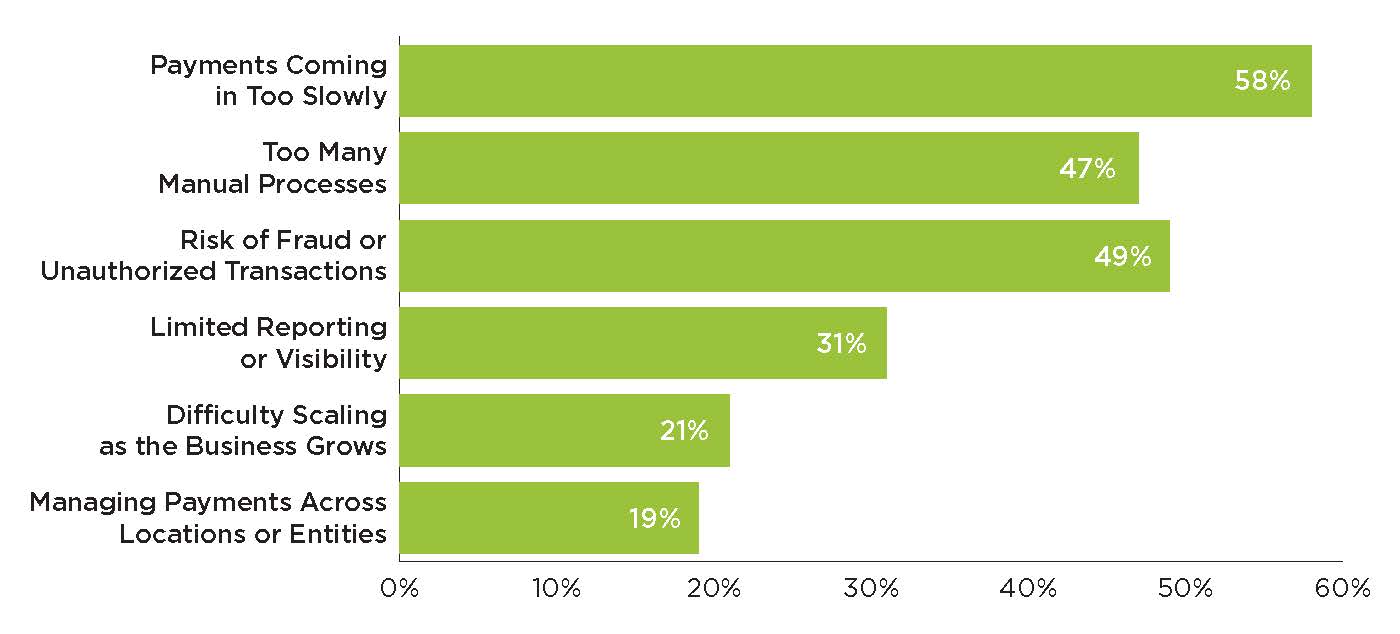
As businesses grow, those challenges become harder to manage. More than 31% of respondents cited limited reporting/visibility, 21% cited difficulty scaling, and 19% cited the complexity of managing payments across multiple locations or entities. These challenges go beyond day-to-day inefficiencies and make it harder to keep a clear picture of financial activity.
Without timely insight into transactions, issues can go undetected long enough to cause real damage.
The Risk of Fraud
Slow payments and manual work create inefficiencies. But when financial processes are fragmented, they also increase exposure to fraud and unauthorized activity.
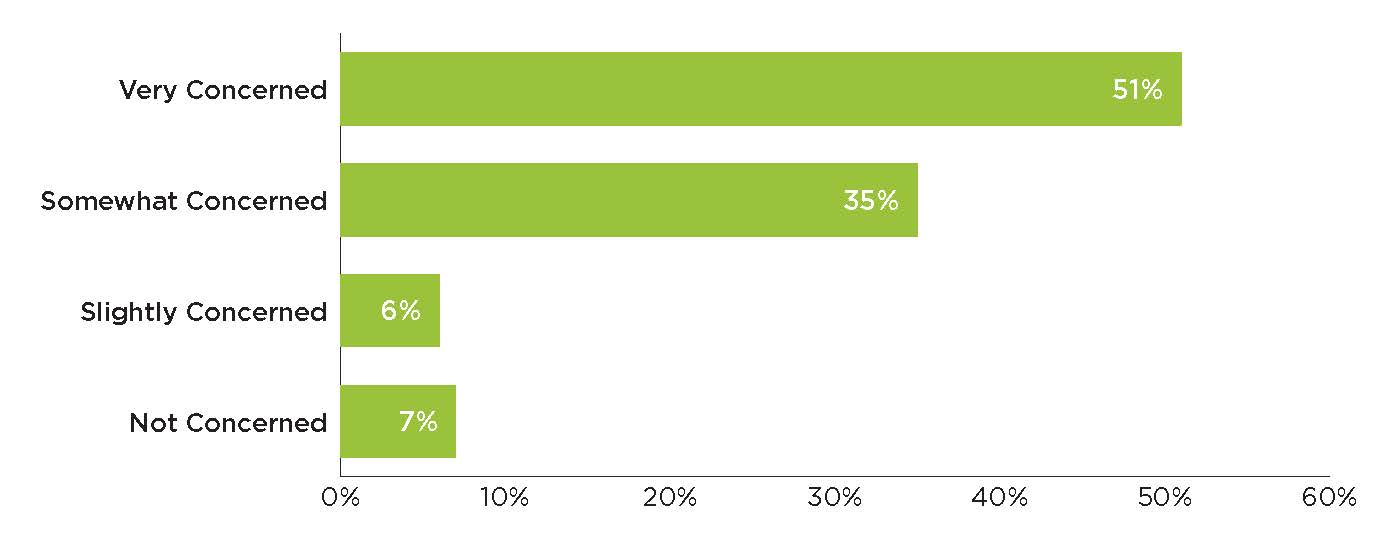
More than half of respondents (51%) said they are “very concerned” about fraud or unauthorized activity, and another 35% said they are “somewhat concerned,” meaning more than 86% of business operators are anxious about fraud.
Q: How concerned are you about fraud or unauthorized activity?
The continued use of paper checks is likely a contributing factor. Checks are among the most fraud-prone payment methods available (Office of the Washington State Auditor). Not only do checks expose sensitive account information, they are also vulnerable to interception and alteration. For businesses that still rely heavily on paper checks, the fraud risk is built directly into the payment process.
Many respondents report taking steps to protect themselves from fraud. Approval controls for payments and alerts for unusual activity are each used by about two thirds of respondents, while 54% use check or payment verification tools.
However, only 25% use account blocks/limits, which is one of the most effective tools for preventing unauthorized transactions (Chamber of Commerce). More than 6% weren’t sure what protection they had in place at all.
These findings suggest that many businesses are addressing fraud risk, but not always with a complete or fully integrated approach.
When payments, approvals, and reporting are spread across multiple systems or handled manually, it becomes harder to detect unusual activity quickly. Reducing risk, in that sense, is not just about adding controls. It is about streamlining money movement and improving visibility at every step.
What Businesses Want
The survey findings point to a clear set of priorities: Businesses want payments to move faster, manual steps to be minimized, and cash activity to be easier to see and control.
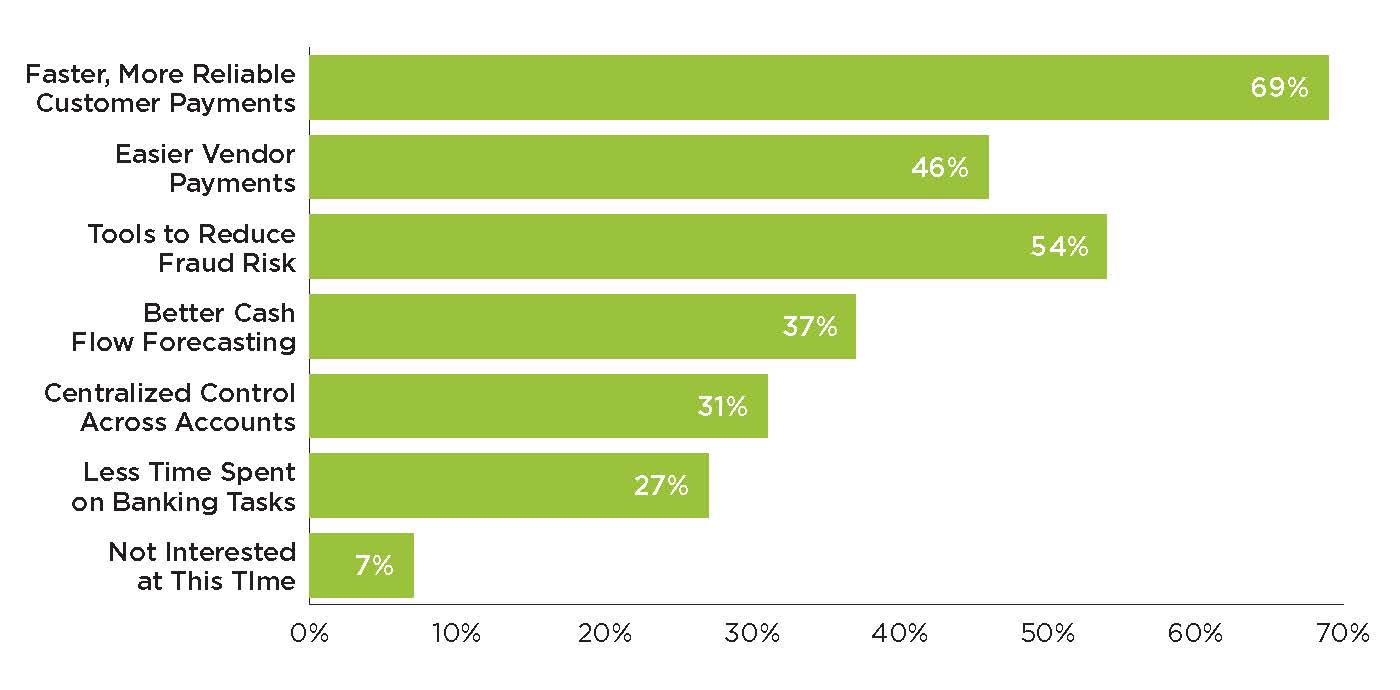
When asked which improvements would be most helpful, 69% of respondents selected faster, more reliable customer payments—the highest response by a wide margin. Tools to reduce fraud risk followed at 54%, while 46% selected easier vendor payments.
Q: Which of the following would be most helpful for your business? (Select all that apply)
Those priorities are reinforced by respondents’ ratings of specific improvements. Faster access to funds was rated “important” or “very important” by 91% of respondents. Better fraud protection was rated “important” or “very important” by nearly 90%. Clearer cash reporting and tools that grow with the business were also rated highly, with each receiving “very important” ratings from more than
60% of respondents.
60% of respondents.
Even reducing manual steps—which often feels less urgent than fraud or receiving payment quickly—was rated “very important” by more than half of respondents.
Taken together, the data shows that businesses are not looking for just one single feature. Instead, they want a better financial workflow—one that helps them send invoices, accept payments, track what is paid or overdue, reduce risk, and understand cash flow without jumping between disconnected systems.
The Opportunity in Existing Banking Relationships
Despite the challenges documented in this survey, the overall outlook among respondents is encouraging. Most feel reasonably well-supported by their current bank, and most are ready to expand how they work with their bank.
Nearly 65% said their bank understands their business and financial needs, while another 31% said their bank somewhat understands them.
That combination—a strong base of trust paired with unmet needs—represents an opportunity. Businesses that already feel understood by their bank are well positioned to deepen that relationship if the right tools are offered.
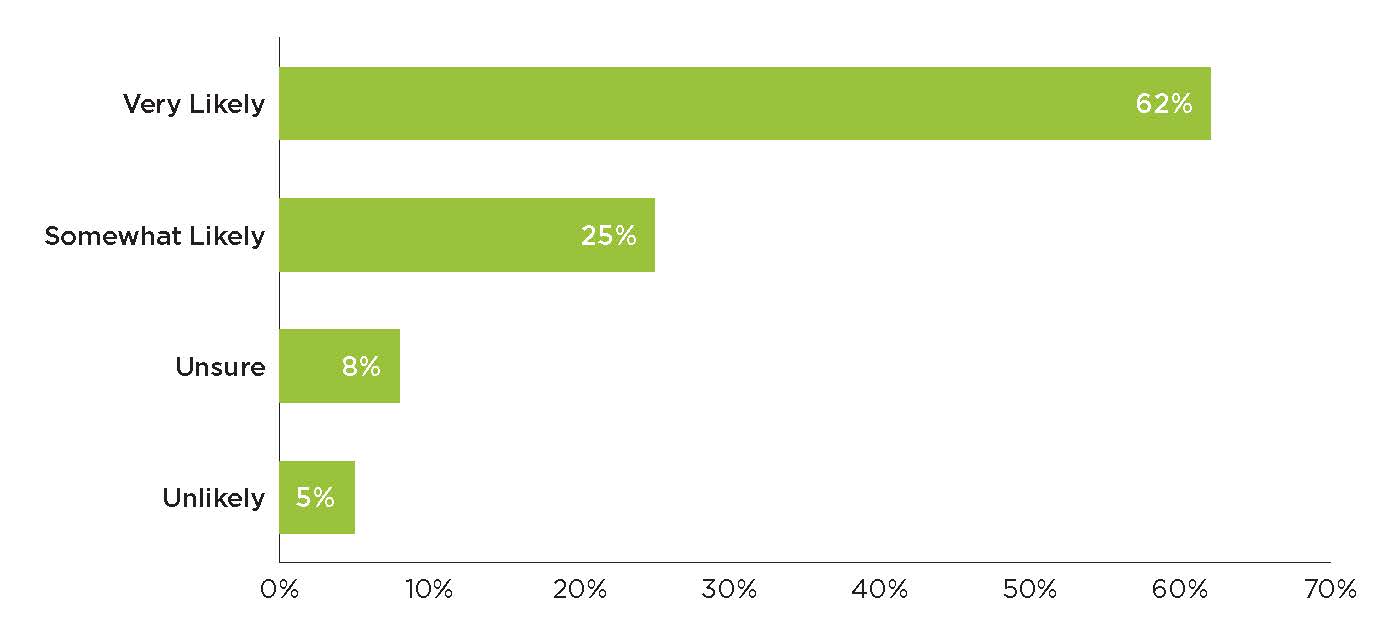
And the timing is right. More than 87% of respondents said they are very or somewhat likely to explore new tools or services to improve cash flow or efficiency in the next 12 months. Only about 5% said they are unlikely to do so.
Q: How likely are you to explore new tools or services to improve cash flow or efficiency in the next 12 months?
This group is not waiting to be convinced. They are actively looking for solutions while they feel the pressure of slow payments, manual processes, and fraud risk. For banks, the opportunity is not just to offer accounts or deposits, but to help businesses modernize their payment processes as they look for ways to manage their finances more efficiently.
A Better Way to Get Paid
The challenges identified in this survey (slow payments, manual processes, fraud risk, and limited cash flow visibility) are not new. So why are these problems still so difficult to solve?
It’s not because solutions don’t exist. It’s because the right solution isn’t always easy to access within the existing banking relationship.
In many cases, improving how money moves through a business means adopting a separate platform, managing another login, or stitching together disconnected systems. That fragmentation leads to unnecessary complexity. When invoices, payments, and records all live in different places, even routine tasks take longer and become harder to manage.
Bringing those steps into a single workflow simplifies the process, reducing follow-up and making it easier to see where cash stands in real time.
Increasingly, that kind of workflow is becoming possible without adding new systems. Payment and invoicing tools can now be built directly into the banking experience, allowing businesses to manage invoices, accept payments, and track activity in the same place they manage their accounts.
For example, Academy Bank’s Payments Suite is designed around this approach, and it is available at no additional monthly cost, removing a common barrier to adopting new payment tools.
Business clients can create and send invoices, accept payments online or in person, and automate recurring billing. They can also track which payments have cleared, and which are still pending without relying on separate platforms or manual workarounds. The result is fewer steps, less time spent following up on payments, and better visibility into cash flow.
As businesses look for faster payments, stronger controls, and clearer visibility, the opportunity goes beyond adding new solutions. It centers on fitting those solutions into existing workflows—and the banking relationship they already trust.
"Business owners don’t need another disconnected tool. They need a simpler way to get paid, reduce manual work, and stay ahead of fraud. With our Business Payments Suite, invoicing, payment acceptance, and tracking come together in one place, so businesses can speed up collections and see their cash position with more confidence."
– Jodi Vickery, Chief Digital Officer at Academy Bank
Conclusion
For business owners managing the daily demands of getting paid, paying vendors, and keeping a clear eye on cash flow, the right banking tools can make a meaningful difference.
Our survey results point to a clear pattern: businesses are losing time to manual processes, carrying anxiety about fraud, and operating with less financial visibility than they need to make confident decisions.
But the opportunity is equally clear. Most businesses already trust their bank— and most are actively looking for better solutions. That combination of trust and readiness is a strong foundation for change.
Academy Bank is committed to being more than a place to hold deposits. We support business clients with smart, accessible financial tools and a practical guidance rooted in real-world business needs. From faster payments to better fraud protection, our goal is to help our clients spend less time managing their finances, and more time growing their business.